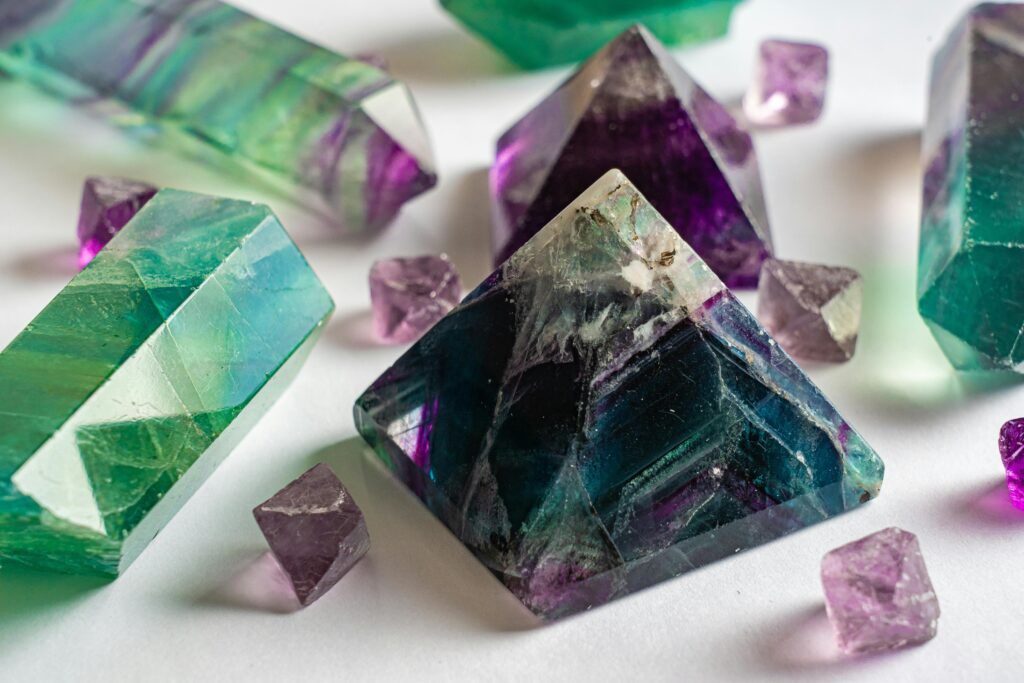
Real Vs Fake Gemstones : How To Find The Difference
Introduction:
Gemstones have fascinated people for centuries because of their beauty, rarity, and value. Precious stones such as Diamond, Ruby, Sapphire, and Emerald are widely used in jewelry and are often considered symbols of wealth, status, and elegance. However, due to their high demand and price, the market is also filled with imitation or fake gemstones that closely resemble natural ones.
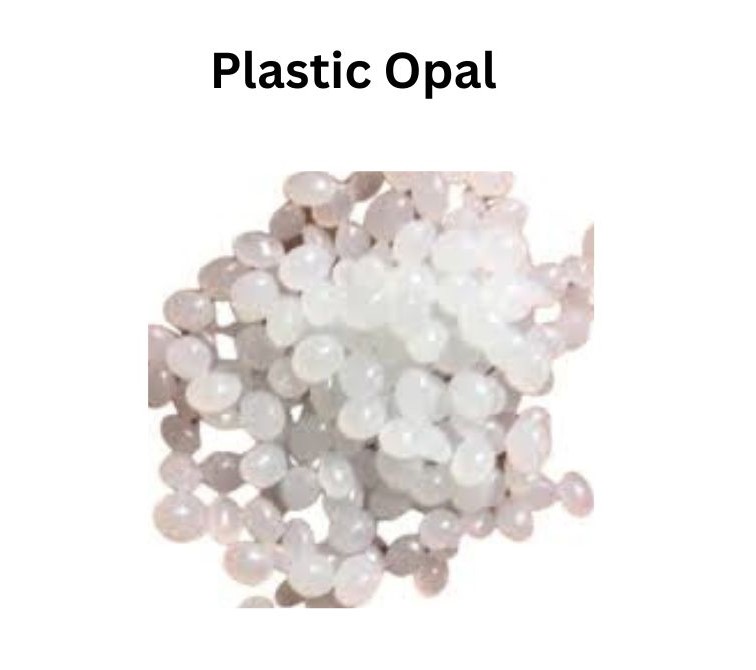
Fake gemstones are stones that are artificially created or made from materials like glass, plastic, or synthetic compounds to imitate the appearance of real gems. While some synthetic stones can look almost identical to natural ones, they usually do not have the same value, rarity, or natural formation process as genuine gemstones.
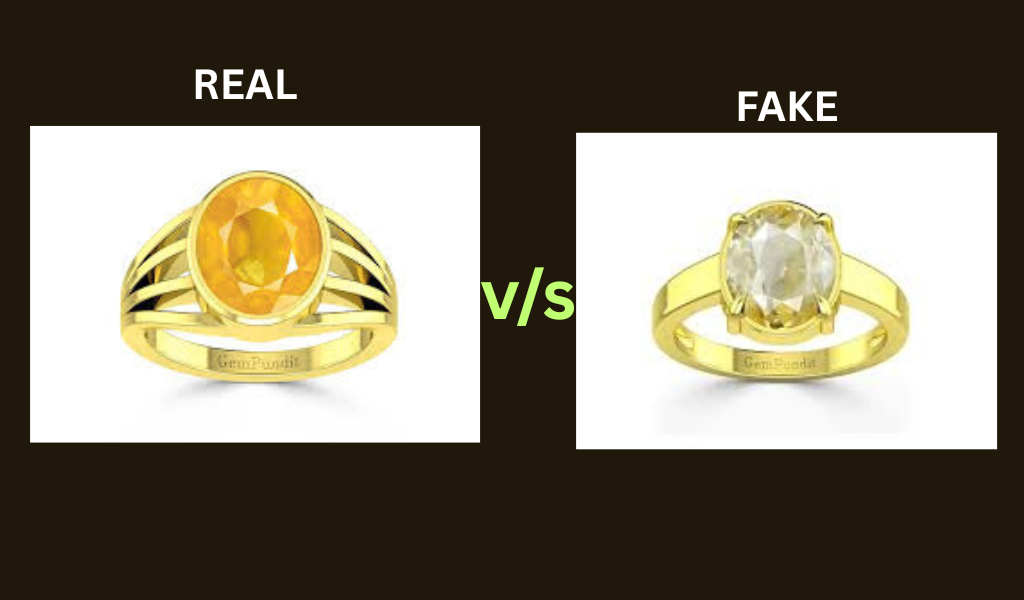
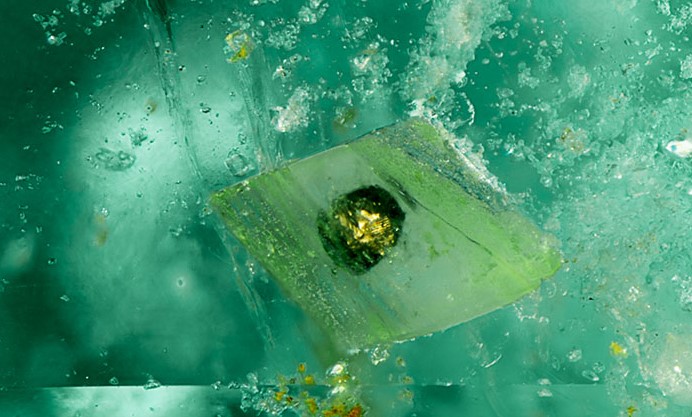
Distinguishing between real and fake gemstones is important for buyers, collectors, and jewelers. Several methods can help identify authenticity, including examining the stone’s color, clarity, weight, hardness, and light reflection. Natural gemstones often contain tiny inclusions (internal imperfections) formed during their geological creation, whereas fake stones tend to appear too perfect. Professional gemologists also use specialized tools and tests to confirm authenticity.
Understanding the differences between real and fake gemstones helps consumers make informed decisions and avoid being misled in the jewelry market. By learning basic identification techniques, anyone can better appreciate the true beauty and value of genuine gemstones.
Check the Price
The Colour and Clarity
Weight of the Stone
the Feel and Surface texture
Ask for a Certification
Fluorescence Test
The Reflection and Transparencyhe Price
Types of“Fake”Gemstones
Not all non-natural stones are scams. There are 3 main categories:
• Imitation Stones
Look like real gems but are made of glass or cheaper materials.
Example: Glass made to look like Emerald.
• Synthetic (Lab-Created) Stones
Chemically identical to natural stones but grown in labs. Example: Lab-grown Diamond.
• Simulants
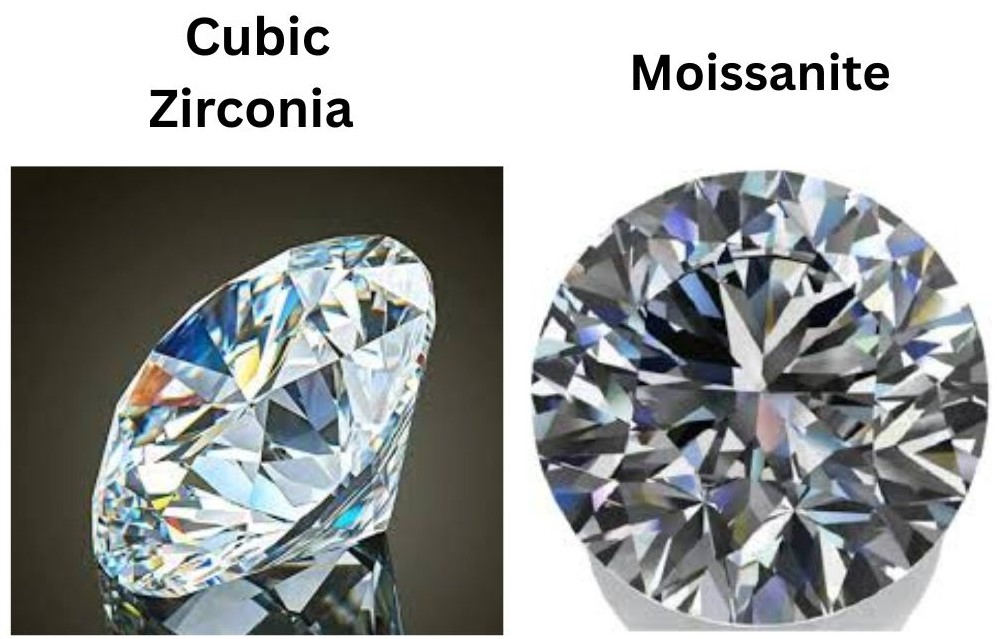
Different material but visually similar. Example: Cubic zirconia used instead of Diamond.
How to Tell if a Gemstone is Real
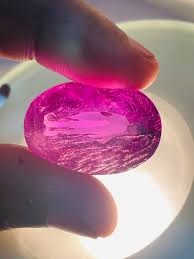
1. Look for Inclusions
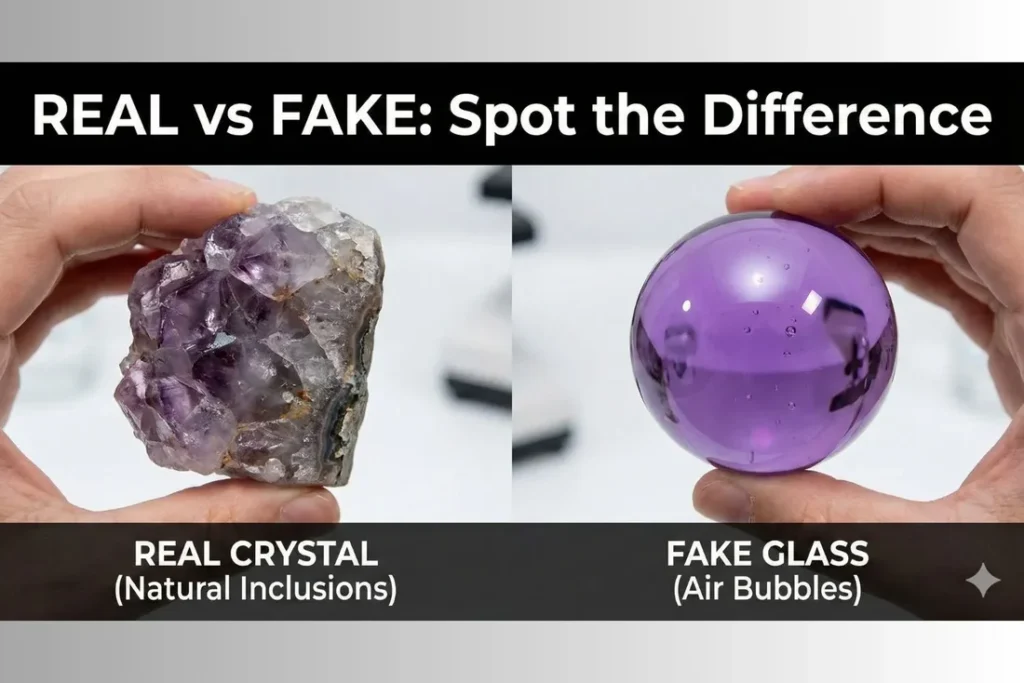
Natural stones usually have small imperfections.
Real Ruby often contains tiny silk-like inclusions.
Perfect clarity can sometimes mean synthetic.
2. Fog Test (For Diamonds)
Breathe on the stone.
Real diamonds disperse heat quickly and won’t stay foggy.
Fake ones stay fogged longer.
3. Weight Test
Glass fakes are often lighter than natural gemstones.
4. Hardness Test (Careful!)
Sapphire and ruby rank 9 on the Mohs scale.
They should not scratch easily.
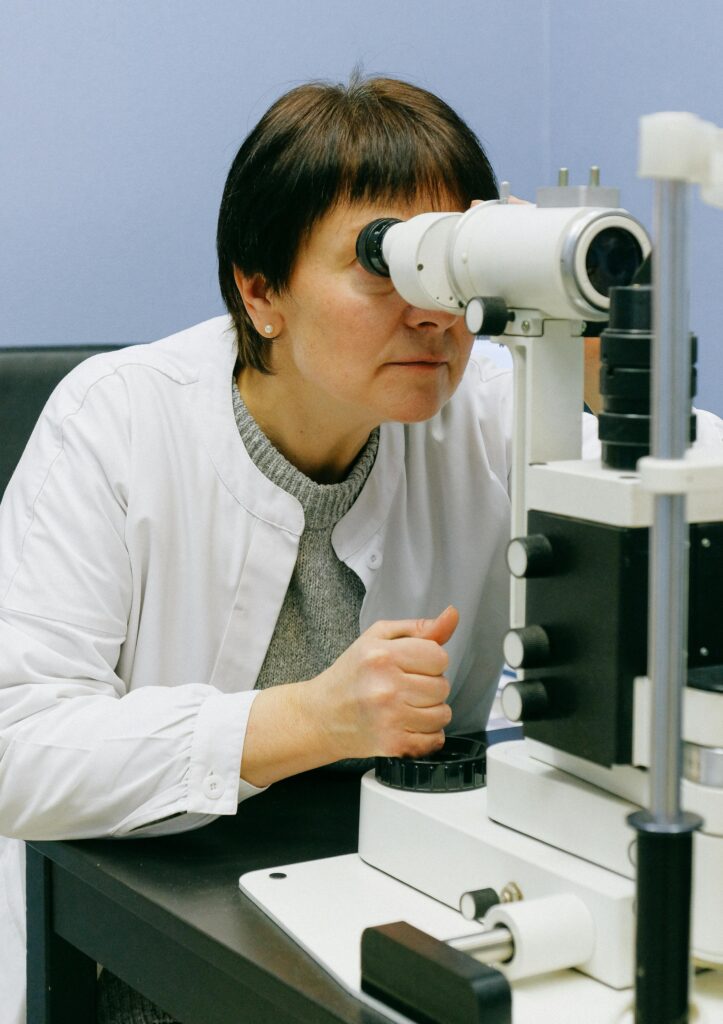
5. Professional Testing
Best option:
Gemologist certification
Refractive index testing
Thermal conductivity tests
Price too good to be true.
No certification .
Seller avoids answering questions.
No return policy.
Overly perfect clarity in rare stones.
Real Gem V/S Common Fake Gem
Feature
Real Gem
Glass Fake
Cubic Zirconia
Inclusions
Natural flaws
Air bubbles
Usually flawless
Hardness
High
Low
Medium
Weight
Balanced
Light
Heavy
Sparkle
Sharp, crisp
Dull
Slightly softer
Price
Expensive
Cheap
Affordable
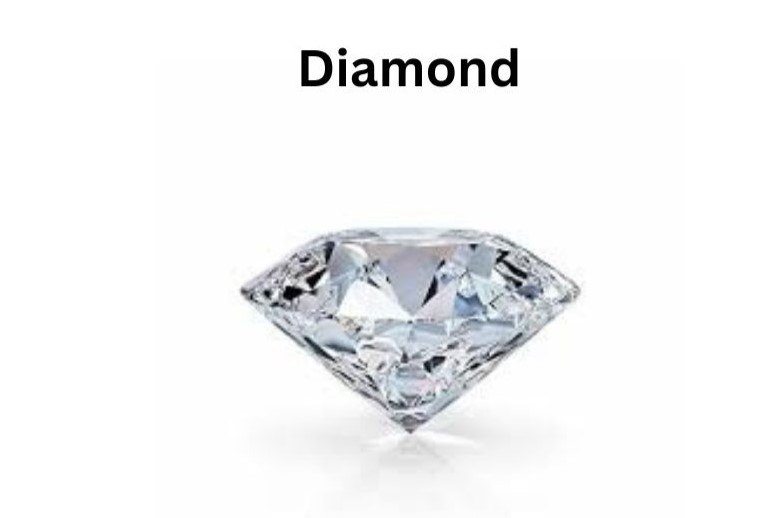
A Real Diamond is known for extreme hardness, strong white sparkle, quick fog clearing, natural inclusions, and high brilliance.
Fake Diamonds often show too much rainbow sparkle,
lower hardness, perfect clarity, longer fog, and a glass-like look.
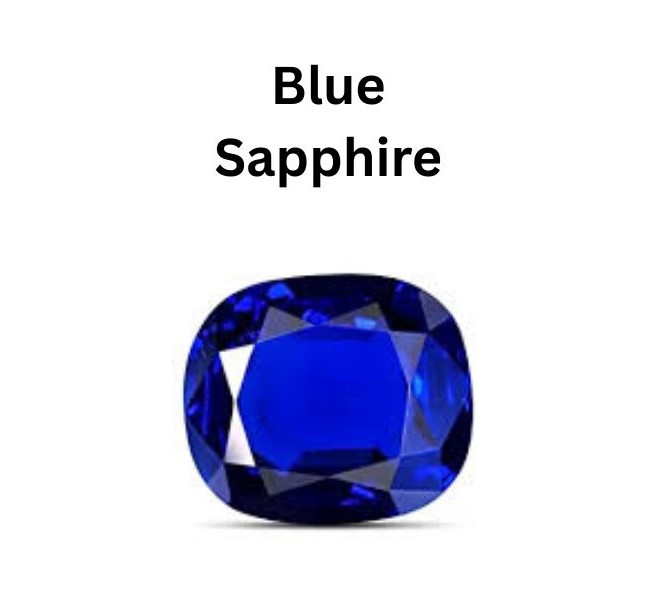
A Real Blue Sapphire typically shows rich blue color, high hardness, natural inclusions, strong luster, with
the good weight.
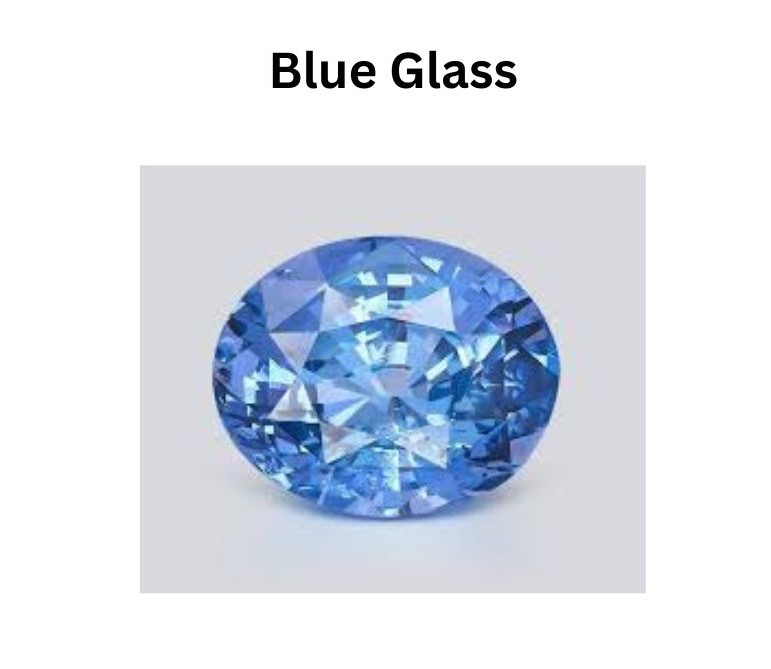
Fake Blue Sapphires usually show perfect color, no inclusions, lower hardness, bubbles inside, with the glass-like shine
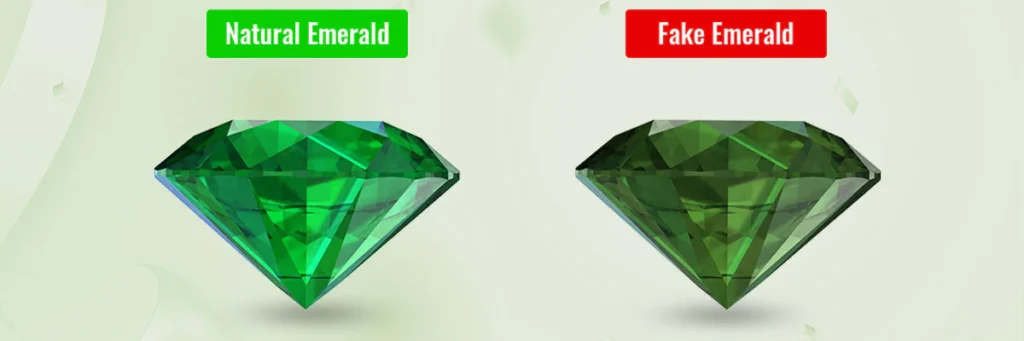
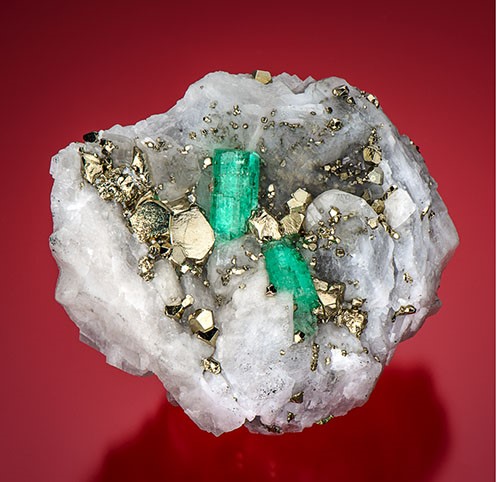
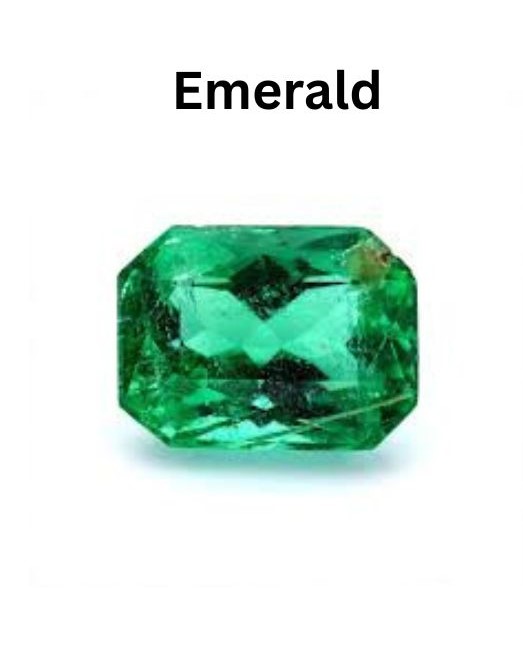
A Real Emerald usually has rich green color, natural inclusions (jardin), moderate hardness, vitreous luster, and slight internal imperfections
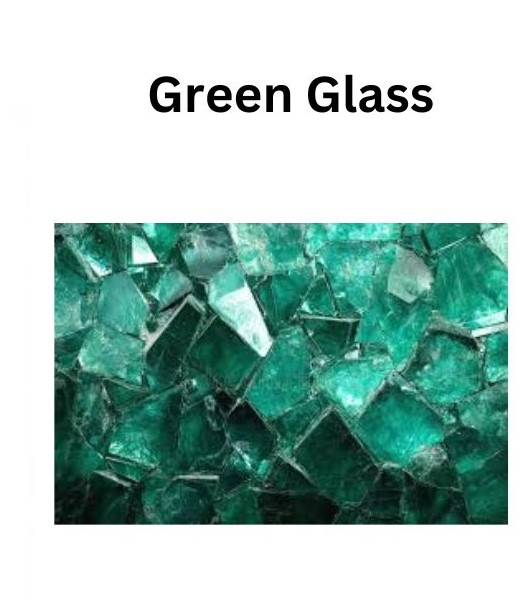
Fake Emeralds usually have perfect color, no inclusions, possible air bubbles, lower hardness,
and a glass-like look
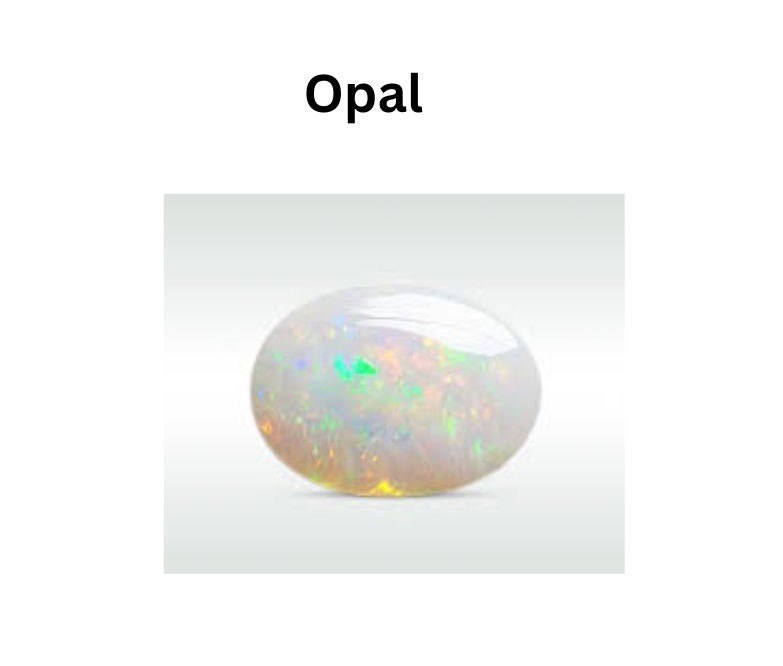
A Real Opal is recognized by play-of-color, unique natural patterns, slight translucency, moderate hardness, and a soft glowing shine.
Fake Opalsusually show repeating patterns, overly perfect color, glassy appearance, layered construction, and lower durability.
Should You Avoid Lab-Created Stones?
Not necessarily. Lab stones: Are real gemstones chemically,
Cost 30–70% less Are more environmentally controlled They just aren’t natural.
Possible title idea:“From Earth’s Core to Jewelry: How Gemstones Are Formed”
Scientific and Geological Angle
reat for essays, research papers, or educational content.
How gemstones form (igneous, metamorphic, sedimentary processes)
The difference between minerals vs. crystals
Crystal structures (cubic, hexagonal, etc.)
Hardness scale – Friedrich Mohs and the Mohs scale
Famous gemstones like:
Diamond
Ruby
Sapphire
Emerald
Historical & Cultural Significance
Perfect for storytelling or cultural studies.
Gemstones in Ancient Egypt
Crystals in Chinese and Indian traditions
Royal jewels (like the British Crown Jewels)
Birthstones and their origins
Trade routes and gemstone economies
Possible title idea: “The Power and Prestige of Gemstones Through History”
Possible title idea: “Healing Energy: How Crystals Influence Mind and Spirit”
Metaphysical & Spiritual Perspective
Popular for blogs and lifestyle content.
Healing properties of crystals
Chakras and corresponding stones
Protection stones vs. love stones
Meditation with crystals
Popular stones like rose quartz, clear quartz, black tourmaline
CONCLUSION
Real and fake gemstones may look similar at first glance, but they differ significantly in origin, value, durability, and rarity.
Real gemstones are naturally formed minerals created over millions of years within the Earth. Stones like Diamond, Ruby, Sapphire, and Emerald are valued for their uniqueness, natural formation, and long-term investment potential. They often contain natural inclusions and slight imperfections that prove their authenticity.
Fake gemstones, on the other hand, are usually made from glass, plastic, or synthetic materials designed to imitate the appearance of natural stones. While they are more affordable and visually appealing, they lack the rarity, durability, and long-term value of genuine gems.
In conclusion, the choice between real and fake gemstones depends on purpose and budget. If you seek authenticity, durability, and lasting value, real gemstones are the better choice. However, if affordability and appearance are your main priorities, fake gemstones can serve as a suitable alternative